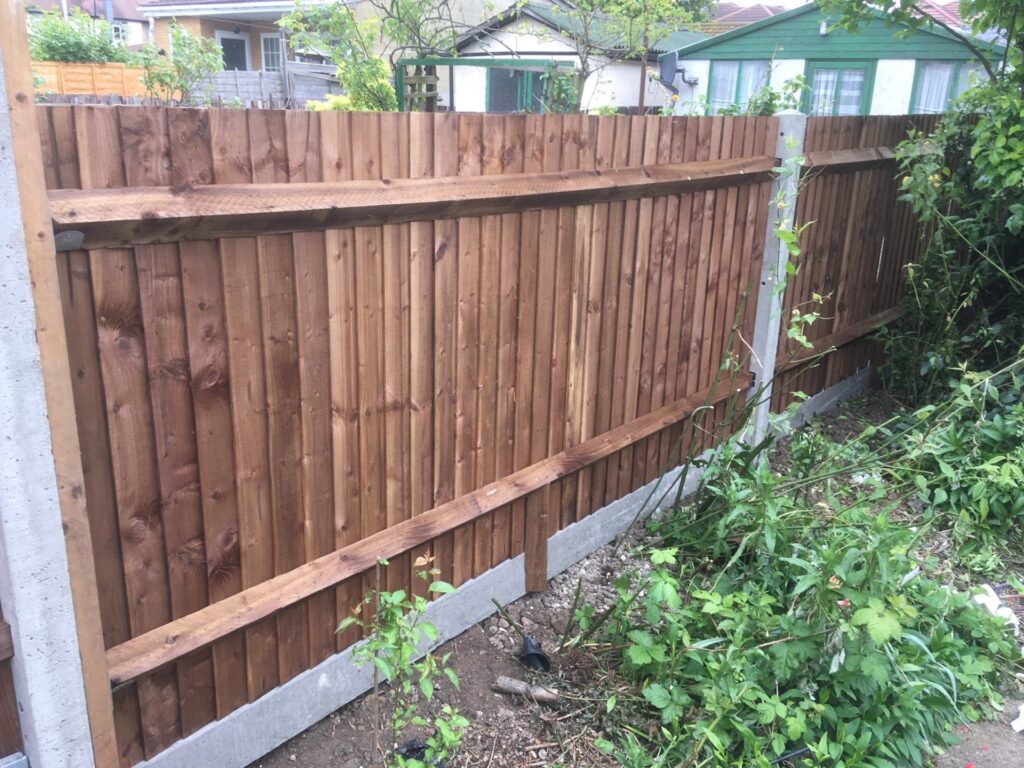
A garden fence takes a relentless beating from British weather. Between heavy dampness and freezing winter frost, timber boundaries suffer more than most homeowners realise. Watching your panels soften or sag can feel deeply frustrating, especially after you spent good money putting them up. Fortunately, timber decay is not completely inevitable. With a basic understanding of why timber fails and a handful of sensible maintenance habits, you can keep your fence standing strong for years.
Why Does Wood Rot?
Understanding why wood rots comes down to a simple biological process. Timber does not just decay on its own because it is old. Decay happens when wood-destroying fungi move in and start feeding on the organic fibres inside the timber.
For these organisms to thrive, they need damp conditions alongside oxygen. If wood is constantly wet and has contact with air, that is why it goes rotten. Take away either the water or the oxygen, and the decay stalls. Out in the garden, oxygen is everywhere, so moisture becomes the primary driver. Rainwater soaks into untreated grain, or damp soil sits directly against the base of a post. Before long, microscopic spores settle in, breaking down the structural strength until the post snaps or the panel collapses.
What Can You Do to Stop Wood from Rotting?
Knowing how to stop wooden fences from rotting starts on the day you choose your materials. Pressure-treated timber is essential for UK gardens because preservative chemicals are forced deep into the grain during manufacturing. When installing posts, keep the timber elevated above ground level using concrete gravel boards or metal post shoes. Direct contact with moist earth traps water against the base endlessly.
To know how to protect wooden fence panels year after year, routine surface sealing is your best line of defence. Apply a quality solvent-based or water-resistant stain annually. Pay extra attention to cut edges and joints where rainwater naturally collects.
It is also wise to clear fallen leaves and overgrown vegetation away from the bottom rail. Thick foliage traps damp air against the timber, creating an ideal environment for decay. Simple habits like trimming back heavy bushes and keeping soil levels below the timber make a massive difference over time.
What to Do with Rotten Fencing
If you are already dealing with soft or crumbling panels, figuring out what to do with rotten fencing depends on how far the damage has spread. Minor surface rot on an isolated board can sometimes be treated with a wood hardener and sealed over. However, when rot reaches the main posts or structural rails, patching things up is rarely more than a temporary fix.
A compromised post endangers the whole run, making it vulnerable to strong wind gusts. In those situations, replacing the affected section or upgrading to concrete posts is the safest choice. At Major-Minor Fencing Services, we frequently help homeowners evaluate whether a straightforward repair will do the job or if a full panel replacement makes more financial sense long-term. Replacing damaged timber early stops fungal spores from spreading into healthy neighbouring panels.
How to Protect Your Wooden Fence: Final Thoughts
Preventing rot is far easier and much cheaper than replacing an entire boundary wall after a winter storm. By managing ground contact and applying regular protective sealants, you can easily double the lifespan of your timber. Keeping damp garden vegetation trimmed back also gives your boundary the best chance of surviving heavy weather.
Whether you need a quick repair or a complete new installation, Major-Minor Fencing Services is here to help. We specialise in professional fencing installation and repairs, alongside custom garden sheds and durable decking. Our team covers Harrow, Ealing, Wembley, and surrounding areas throughout North West London to build outdoor spaces that endure British weather.
Contact Major-Minor Fencing Services today to get expert advice and a free quote for all your fencing needs across North West London.